
Traditional Ecological Knowledge leads to better conservation
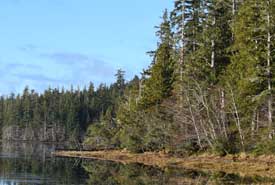
Gámdas Tlagée (Photo by Haida Laas-Graham Richard)
Incorporating Traditional Ecological Knowledge (TEK) when developing land and water conservation strategies is critical to help counteract climate change in Canada. Collaboration between western-based scientists and Indigenous TEK keepers is not...
Lasagna garden
This summer I purchased a house, and alongside the responsibility of being a first-time home owner came the excitement of having my own yard to create a garden in. When I took possession of the house, the backyard looked a lot like this: flat and...
Canada’s other rainforest
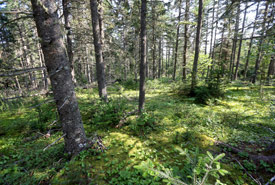
Wabanaki (Acadian) forest, Chignecto Isthmus, NS (Photo by Mike Dembeck)
The word “rainforest” evokes vivid images of a rich natural world. Many people think of the lush, misty jungles of the Amazon or Congo with thick vegetation. If you live in Canada, you might think about BC’s temperate...
A glimpse of the past: Using historic maps to guide land management
The Prairie provinces, like much of agricultural Canada, look vastly different than they did before European settlement. During the development of Western Canada, forests were cleared, wetlands drained and grasslands plowed in an effort to settle...
Hummingbirds: The forgotten pollinator when it comes to pesticides
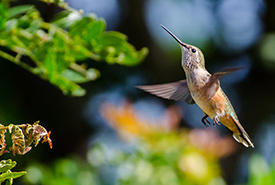
Female rufous hummingbird (Photo by Jennifer Kepler CC BY-NC)
When life is leaping forth in its freshest tender green and shrubs are casting their best wine-rich blooms of colour, there comes a humming. Not just from the song of spring rising in the world, but from wing beats — 52 to 62 per...
Everything you need to know about the threat of grass carp to the Great Lakes
Do you love fishing and boating on the Great Lakes? Are you passionate about the wildlife that live in the Great Lakes? If so, we have an important mission for you: Be on the lookout for grass carp! Grass carp is one of four invasive Asian carp...
Making friends with the solitary bees
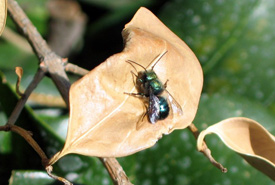
Blue orchard bee (Photo by Robert Engelhardt)
When you think of bees, your mind probably goes to honey, hives and stingers. But what if I told you that there was a species of bee, native to the Saskatchewan prairies, that didn’t make honey, live in a hive or (usually) sting? Mason bees...
Wildlife crossings: Opening the way for the good of wildlife
Whether in the form of bridges or tunnels, wildlife crossings make roads safer by protecting humans and animals from collisions while helping maintain the connectivity of natural environments. “Things are not always what they seem: the deer...
Life as an intern with the Nature Conservancy of Canada
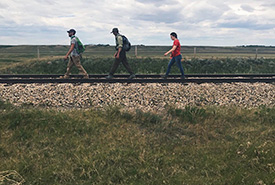
Before the summer ended and we went our separate ways, I caught up with my fellow interns to get an idea of what they do when they leave the office. (Photo by NCC)
As the former communications intern for the Nature Conservancy of Canada’s (NCC’s) Saskatchewan Region, I spent most of my summer at my desk, while our five other interns spent most of their time in the field. Before the summer ended...
The shorebirds’ favourite rest stop
Over the last 20 years, several conservation organizations, including the Nature Conservancy of Canada (NCC), have supported the operation of the Chaplin Nature Centre, located just outside of the town of Chaplin in southern...
