
This Groundhog Day, it's all relatives
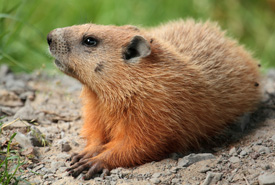
Groundhog (Photo by Cephas/Wikimedia Commons)
Tomorrow marks Groundhog Day, a North American tradition dating back to 1888. The groundhog, also called the woodchuck, is the largest member of the squirrel family and one of four marmot species that live in Canada. Rather than just focusing on...
14 facts for World Wetlands Day
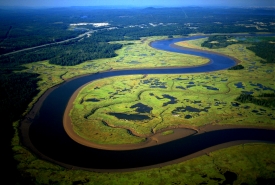
Musquash River, New Brunswick (Photo by Ron Garnett Airscapes)
The second of February each year marks World Wetlands Day, where everyone is encouraged to raise awareness and learn about the importance and value of wetlands! Be a wetland whiz this year with these 14 fun facts! A wetland, like its name...
Calling in the corps — the Canadian Conservation Corps
They say that many hands make light work. Well, I don’t know if the hard-working young people who hauled brush, cut phragmites stems or collected buckets of acorns would tell you that the work was “light” but I can certainly say...
How tracking animals leaves a different imprint on winter
It isn’t a secret that most city dwellers have complicated relationships with winter (myself included). When the weather takes a turn for the worse, it seems to have a domino effect on urban centres, increasing traffic and slowing everything...
What does a conservation biologist do in the “other season?”
There is a seasonal nuance to being a conservation biologist. If you look at my job description optimistically, my job involves afternoons looking for spring ephemeral flowers, summers canoeing on lakes and early autumn mornings catching the last...
How collaboration kept an invasive beetle at bay
What is black with white spots and shiny all over? It’s the invasive Asian longhorned beetle (ALB)! This beetle is well known for its striking appearance, piercing eyes and antennae that extend beyond the rear of its body. It has no natural...
How species survive winter: Hibernation
Previously, I discussed how small songbirds, and black-capped chickadees in particular, survive winter on the Canadian Prairies. Now I will discuss another strategy that animals use to survive the long, cold winter months: hibernation. Hibernation...
How birds survive the winter
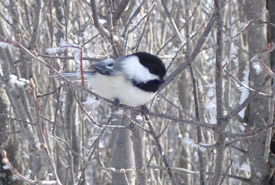
Black-capped chickadee in winter (Photo by NCC)
Winter on the Prairies is long and cold, often lasting from November until March, and with temperatures falling to -20 C or -30 C, it’s a wonder that anything can survive here at all. However, a walk around any residential neighbourhood or...
The resiliency and significance of cedar
It seems like everywhere I go, I see cedar trees. This isn’t surprising, since Canada’s four species of cedar can be common where they occur. Growing up to 15 metres tall and representing some of the oldest trees in Canada, cedar...
5 tips on how to enjoy winter if you’re not a winter person
Have you ever seen the commercials where people frolic about in the snow or cross-country ski in the woods, and thought, “Canadian winter is great, but I’m more comfy on my couch”? I have, and I don’t think I’m alone...
